Is it safe for a mother to breastfeed if she is infected with coronavirus?
Considering the benefits of breastfeeding and the insignificant role of breastmilk in the transmission of other respiratory viruses, the mother can continue breastfeeding, while applying all the necessary precautions.
All mothers in affected and at-risk areas who have symptoms of fever, cough or difficulty breathing, should seek medical care early, and follow instructions from a health care provider.
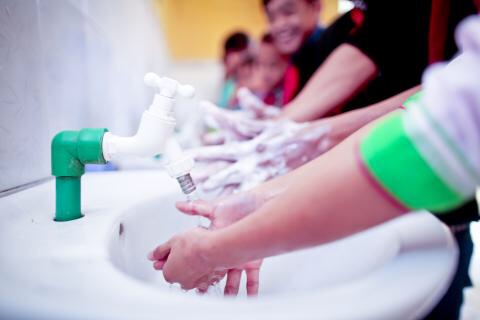
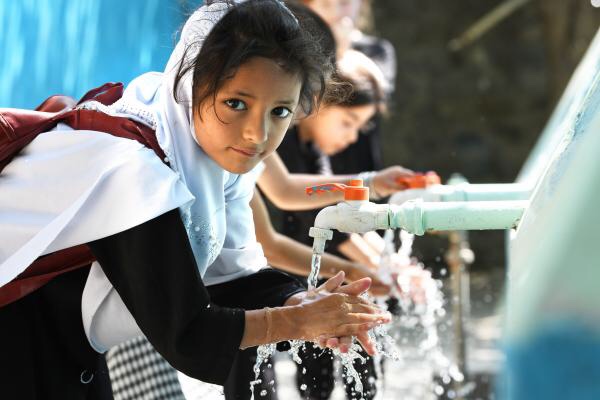
For symptomatic mothers well enough to breastfeed, this includes wearing a mask when near a child (including during feeding), washing hands before and after contact with the child (including feeding), and cleaning/disinfecting contaminated surfaces – as should be done in all cases where anyone with confirmed or suspected COVID-19 interacts with others, including children.
If a mother is too ill, she should be encouraged to express milk and give it to the child via a clean cup and/or spoon – all while following the same infection prevention methods.
It’s understandable if you’re feeling worried about the coronavirus. But fear and stigma make a difficult situation worse. For example, there are reports emerging from around the world of individuals, particularly of Asian descent, being subject to verbal or even physical abuse.
Public health emergencies are stressful times for everyone affected. It’s important to stay informed and to be kind and supportive to each other. Words matter, and using language that perpetuates existing stereotypes can drive people away from getting tested and taking the actions they need to protect themselves and their communities.
Here are some do’s and don’ts for how to talk about the coronavirus with your children, family and friends:
DO: talk about the new coronavirus disease (COVID-19)
DON’T: attach locations or ethnicity to the disease. Remember, viruses can’t target people from specific populations, ethnicities, or racial backgrounds.
DO: talk about “people who have COVID-19”, “people who are being treated for COVID-19”, “people who are recovering from COVID-19” or “people who died after contracting COVID-19”
DON’T: refer to people with the disease as “COVID-19 cases” or “victims”
DO: talk about people “acquiring” or “contracting” COVID-19
DON’T: talk about people “transmitting COVID-19” “infecting others” or “spreading the virus” as it implies intentional transmission and assigns blame.
DO: speak accurately about the risk from COVID-19, based on scientific data and latest official health advice
DON’T: repeat or share unconfirmed rumours, and avoid using hyperbolic language designed to generate fear like “plague”, “apocalypse” etc.
DO: talk positively and emphasise the importance of effective prevention measures, including following our tips on handwashing. For most people this is a disease they can overcome. There are simple steps we can all take to keep ourselves, our loved ones and the most vulnerable safe.
 super single moms
Thanks for the tips. My daughter is breastfeeding a new baby, and has had good advice from the community nurse.
I appreciate you following my blog.
Best wishes, Pete.
LikeLike
Sensible tips and guidelines…Thank you for following CarolCooks2..Stay safe and well 🙂
LikeLike
Thanks for the reminder that what I may think is funny–overstatements about the plague, for example–other people may take seriously. I did need to hear that.
LikeLike