Secondly , the girl went home with a baby gripped tightly in her arms she knocked at her parent, s door . Highly ashamed she were , nodding her head , cleaning her tear filled eyes . After a few second silence her mother opened the door , who is thr ? She asked in a light tone , mama it’s me your daughter please open the door !!! Oh my lord what’s you doin here with the kid ? Mom he divorced me without any solid reason . Her mom replied , say you are telling truth you ugly shit why you destroyed your home are you not aware what society will think of you ? Are you going to make your family ashamed in front of every one why why why ???? Question and just question we’re going one by one Mama please listen to me , No no , just go back I have no place for you at your home go back early before your father arrival , good bye , and she shut the door abruptly . Stay tuned to read the next blog about the girl,s journey
Bitter side of arrange marriages in society
Today my 1st blog regarding this topic , it’s a bit emotional rather judgemental topic . What to do or what not to do , as, I am a part of Pakistan here we see a lot of child hood marriages together with ones first cousin . I hope the world will got to know very soon how devastating this fact is and it would utterly create a lot of miscarriages , mental difficulties and neonatal abnormalities in future . I would like to share the story of girl who got married in the age of her teens when she was just 15 . She had a boyfriend and couldn’t told it to her parents . Subsequently ,when she had created a humble relationship what that guy her parents decided to marry her maternal cousin who was 11 years older w than her and even their was no attractive side between both of them . She seemed so ashamed of telling the truth and admit to start life with a new man completely different than what she thought of her life partner . The marriage didn’t work out they had a kid on the very first year of their marriage and the guy divorced her just because he caught her talking with the guy but, the girl talked about her sincerity to the guy a lot but he didn’t forbid her and let her life destroyed all alone stay tuned to read what next happened to the girl when she went back home
LEARN ABOUT ISLAM
The name of the religion is Islam, which comes from an Arabic root word meaning “peace” and “submission.” Islam teaches that one can only find peace in one’s life by submitting to Almighty God ( Allah) in heart, soul, and deed. The same Arabic root word gives us “Salaam alaykum,” (“Peace be with you”), theuniversal Muslim greeting.

A person who believes in and consciously follows Islam is called a Muslim, also from the same root word. So, the religion is called “Islam,” and a person who believes in and follows it is a “Muslim.”
How Many and Where?
Islam is a major world religion, with over 1 billion followers worldwide (1/5 of the world population). It is considered one of the Abrahamic, monotheistic faiths, along with Judaism and Christianity. Although usually associated with the Arabs of the Middle East, less than 10% of Muslims are in fact Arab. Muslims are found all over the world, of every nation, color, and race. The most populous Muslim country today is Indonesia, a non-Arab country.
Who Is Allah?
Allah is the proper name for Almighty God, and is often translated merely as “God.” Allah has other names that are used to describe His characteristics: the Creator, the Sustainer, the Merciful, the Compassionate, etc. Arabic-speaking Christians also use the name “Allah” for Almighty God.
Muslims believe that since Allah alone is the Creator, it is He alone that deserves our devout love and worship. Islam holds to a strict monotheism. Any worship and prayers directed at saints, prophets, other human beings or nature is considered idolatry.
What Do Muslims Believe About God, Prophets, the Afterlife, Etc.?
The basic beliefs of Muslims fall into six main categories, which are known as the “Articles of Faith”:
- Faith in the unity of God
- Faith in angels
- Faith in prophets
- Faith in books of revelation
- Faith in an afterlife
- Faith in destiny/divine decree
The “Five Pillars” of Islam
In Islam, faith and good works go hand-in-hand. A mere verbal declaration of faith is not enough, for belief in Allah makes obedience to Him a duty.
The Muslim concept of worship is very broad. Muslims consider everything they do in life to be an act of worship, as long as it is done according to Allah’s guidance. There are also five formal acts of worship which help strengthen a Muslim’s faith and obedience. They are often called the “Five Pillars of Islam.”
- Testimony of faith (Shahaadah or Kalima)
- Prayer (Salat)
- Almsgiving (Zakat)
- Fasting (Sawm)
- Pilgrimage (Hajj)
Daily Life as a Muslim
While often seen as a radical or extreme religion, Muslims consider Islam to be the middle road. Muslims do not live life with complete disregard for God or religious matters, but nor do they neglect the world to devote themselves solely to worship and prayer. Muslims strike a balance by fulfilling the obligations of and enjoying this life, while always mindful of their duties to Allah and to others.
NATURE vs NURTURE
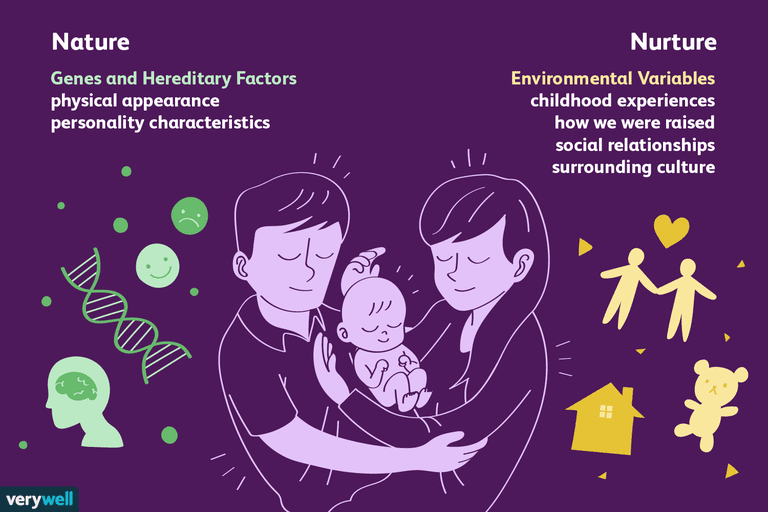
The nature versus nurture debate is one of the oldest philosophical issues within psychology. So what exactly is it all about?
- Nature refers to all of the genes and hereditary factors that influence who we are—from our physical appearance to our personality characteristics.
- Nurture refers to all the environmental variables that impact who we are, including our early childhood experiences, how we were raised, our social relationships, and our surrounding culture.
Even today, different branches of psychology often take a one versus the other approach. For example, biological psychology tends to stress the importance of genetics and biological influences. Behaviorism, on the other hand, focuses on the impact that the environment has on behavior.
In the past, debates over the relative contributions of nature versus nurture often took a very one-sided approach, with one side arguing that nature played the most important role and the other side suggesting that it was nurture that was the most significant. Today, most experts recognize that both factors play a critical role.1 Not only that, but they also realize that nature and nurture interact in important ways all throughout life.
A Closer Look at the Nature vs. Nurture Debate
Do genetic or environmental factors have a greater influence on your behavior? Do inherited traits or life experiences play a greater role in shaping your personality? The nature versus nurture debate is one of the oldest issues in psychology. The debate centers on the relative contributions of genetic inheritance and environmental factors to human development.
Some philosophers such as Plato and Descartes suggested that certain things are inborn, or that they occur naturally regardless of environmental influences. Nativists take the position that all or most behaviors and characteristics are the results of inheritance.
Advocates of this point of view believe that all of our characteristics and behaviors are the result of evolution. Genetic traits handed down from parents influence the individual differences that make each person unique.
COMMON BABY DIAPER RASHES AND THEIR REMEDIES
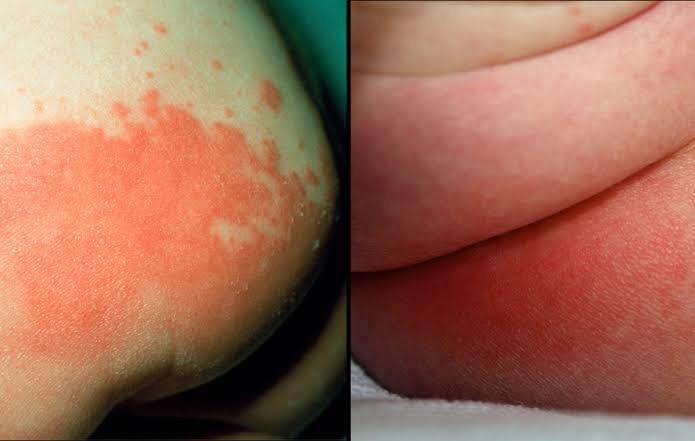
A patchwork of bright red skin on your baby’s bottom is probably diaper rash, typically caused by prolonged contact with urine or feces.
To treat diaper rash, air out your baby’s bottom. Apply a diaper rash cream or ointment at each diaper change. If you use a thick barrier cream, remove only the soiled layer of cream during diaper changes to avoid rubbing and further irritating the skin. Consult your baby’s doctor if the rash doesn’t improve or begins to blister.
To prevent diaper rash, change your baby’s diaper frequently, let your baby go without a diaper for short periods of time, and regularly apply a diaper rash cream or ointment barrier during diaper changes.
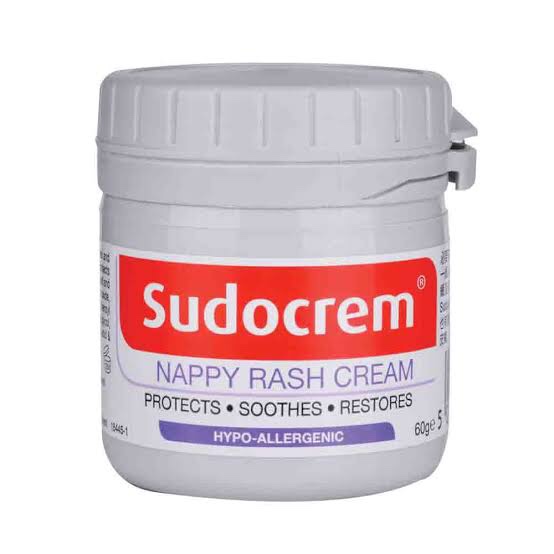
DIAPER RASH CREAMS : 1) Sudo cream 2) zinc and benzene cream 2) Johnson’s baby Vaseline 3) Mustard oil mixed with water 4) small amount of cornflower applied on the affected area respectively
The mental health of single-parent families in relation to psychological, societal and financial parameters.
Over the last decades a great deal of changes have taken place in the family structure leading to an increase in single-parent families. Studies demonstrate that almost 3 out of 10 children are being raised in single-parent households, while this number is expected to increase in the future. The aim of the present chapter is to discuss the risk of mental health difficulties in single parent families. It seems that the majority of single parent households is headed by single mothers who often face a number of difficulties and challenges in practicing their parenting role. Single parents, especially single mothers seem to experience increased levels of stress, anxiety and depression, face more socioeconomic difficulties and lack of social support as compared to married couple families. Furthermore, the absence of an additional primary caregiver who could share the responsibilities of the household may lead to feelings of low self-esteem and isolation. Moreover, aggravating factors such as chronic health conditions of the child can make the single parent’s burden even harder to carry. In addition to the above, single parenting may be associated with several mental health difficulties for the children as well, such as anxiety, depression and externalizing disorders, whereas in some cases it can lead to school dropout and poor health. Taking into consideration the obstacles encountered by single parents in many aspects of their life as well as the continuously increasing numbers of single parenthood, it is considered necessary for mental health professionals to support them in their parenting role and enhance their mental health
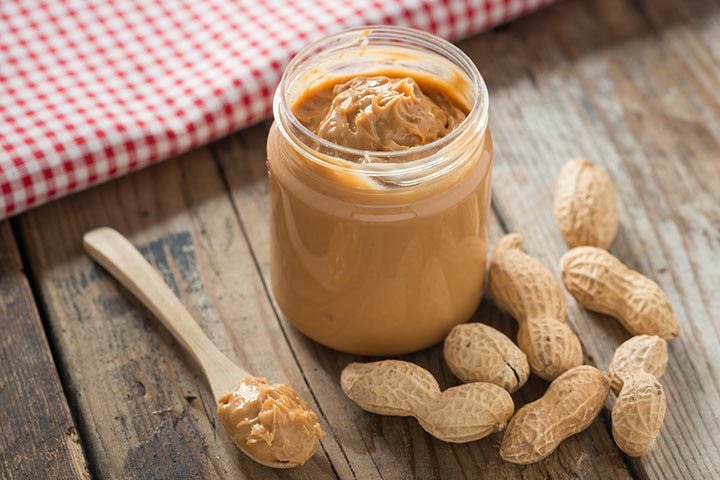
USAGE OF PEANUTS FOR MOMS TO BE 👍
Is It Safe To Eat Peanuts and Peanut Butter When Pregnant?
You may eat peanuts and peanut butter if you are not allergic to them. Peanuts are nutritious and rich in polyunsaturated fatty acids, antioxidants, protein, calories, and folate, and can make your pregnancy diet healthy .It is safe to consume peanuts and peanut butter (made of nuts and a dash of salt) in moderation.
What Are The Benefits Of Peanuts And Peanut Butter During Pregnancy?
Here is how the nutrients present in peanuts might help during pregnancy. You may include peanut butter in your diet or simply roast a few peanuts and consume them.
1. Iron
All nuts, including peanuts, are rich in iron. Whole peanuts or peanut butter will help you prevent anemia
2. Monounsaturated fats
Peanuts are rich in monounsaturated fats, especially oleic acid which is helpful for the heart. You can have a handful of peanuts every day to prevent heart diseases .
3. Phytosterols
Peanuts are a good source of phytosterols, also referred to as beta-sitosterol, which inhibit the development of tumors .
4. Niacin
Vitamin B3 (niacin) in peanuts boosts memory power and brain functioning. Also, the flavonoid resveratrol present in peanuts improves the flow of blood to the brain .
5. Calories
If you are underweight during pregnancy, then peanuts can help gain weight. They are packed with calories that help you achieve a healthy weight .
6. Fiber
The fiber content in groundnuts can help ease constipation .
7. Tryptophan
Peanuts contain the essential amino acid called tryptophan, which produces serotonin. This is one of the essential elements in regulating mood and helps combats depression .
8. Protein
Peanuts contain protein that helps in proper growth and development of the fetus .
9. Manganese
Manganese aids in the growth of fetal tissue and bone. It is also helpful in preventing premature contraction of the uterus .
10. Vitamin E
The nuts contain vitamin E, which works to keep your blood pressure under control .
Other benefits
11. Manage gestational diabetes
A healthy dose of peanuts, including peanut butter, can form part of a balanced gestational diabetes diet .
12. Believed to reduce the risk of peanut allergy
Consuming peanuts during pregnancy will reduce the risk of peanut allergy in the baby
Nutritional Value Of Peanuts
The nutrition present in 100 grams of peanuts is as follows NutrientAmountCalories567kcalWater6.50gCarbohydrates16.13gProtein25.80gFiber8.5gFat49.24gSugars3.97gVitaminsFolic acid (Vitamin B9)240mcgPyridoxine (Vitamin B6)0.348mgNiacin (Vitamin B3)12.87mgRiboflavin (Vitamin B2)0.3mgThiamin (Vitamin B1)0.640mgVitamin E8.33mgElectrolytesPotassium332mgSodium1mgMineralsCalcium62mgIron2.09mgMagnesium184mgZinc3.34mgPhosphorus336mgLipidsSaturated fatty acids7.32gMonounsaturated fatty acids21.41gPolyunsaturated fatty acids16.5g
g=grams; mg=milligrams; mcg=micrograms
In spite of its benefits, when taken in excess, groundnuts can be bad for your health. Read on to learn about the side-effects of peanuts.
Breastfeeding moms does and don’ts in case of novel COVID-19 outbreak !
Is it safe for a mother to breastfeed if she is infected with coronavirus?
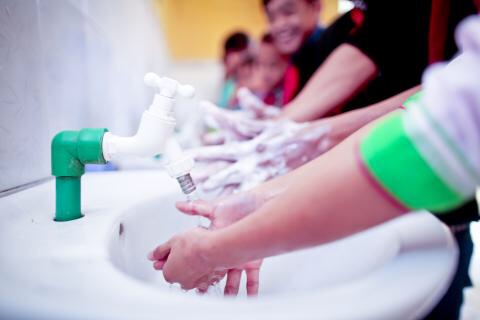
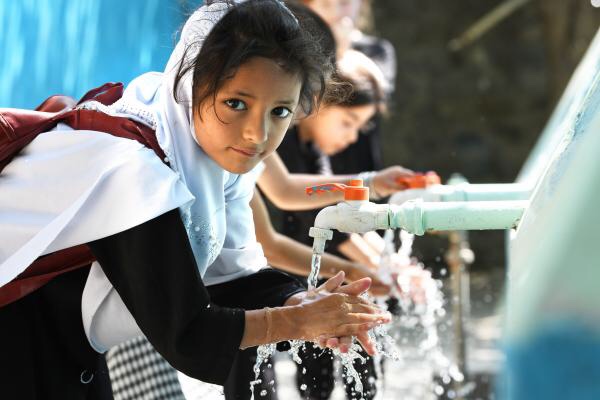
Considering the benefits of breastfeeding and the insignificant role of breastmilk in the transmission of other respiratory viruses, the mother can continue breastfeeding, while applying all the necessary precautions.
All mothers in affected and at-risk areas who have symptoms of fever, cough or difficulty breathing, should seek medical care early, and follow instructions from a health care provider.
For symptomatic mothers well enough to breastfeed, this includes wearing a mask when near a child (including during feeding), washing hands before and after contact with the child (including feeding), and cleaning/disinfecting contaminated surfaces – as should be done in all cases where anyone with confirmed or suspected COVID-19 interacts with others, including children.
If a mother is too ill, she should be encouraged to express milk and give it to the child via a clean cup and/or spoon – all while following the same infection prevention methods.
It’s understandable if you’re feeling worried about the coronavirus. But fear and stigma make a difficult situation worse. For example, there are reports emerging from around the world of individuals, particularly of Asian descent, being subject to verbal or even physical abuse.
Public health emergencies are stressful times for everyone affected. It’s important to stay informed and to be kind and supportive to each other. Words matter, and using language that perpetuates existing stereotypes can drive people away from getting tested and taking the actions they need to protect themselves and their communities.
Here are some do’s and don’ts for how to talk about the coronavirus with your children, family and friends:
DO: talk about the new coronavirus disease (COVID-19)
DON’T: attach locations or ethnicity to the disease. Remember, viruses can’t target people from specific populations, ethnicities, or racial backgrounds.
DO: talk about “people who have COVID-19”, “people who are being treated for COVID-19”, “people who are recovering from COVID-19” or “people who died after contracting COVID-19”
DON’T: refer to people with the disease as “COVID-19 cases” or “victims”
DO: talk about people “acquiring” or “contracting” COVID-19
DON’T: talk about people “transmitting COVID-19” “infecting others” or “spreading the virus” as it implies intentional transmission and assigns blame.
DO: speak accurately about the risk from COVID-19, based on scientific data and latest official health advice
DON’T: repeat or share unconfirmed rumours, and avoid using hyperbolic language designed to generate fear like “plague”, “apocalypse” etc.
DO: talk positively and emphasise the importance of effective prevention measures, including following our tips on handwashing. For most people this is a disease they can overcome. There are simple steps we can all take to keep ourselves, our loved ones and the most vulnerable safe.
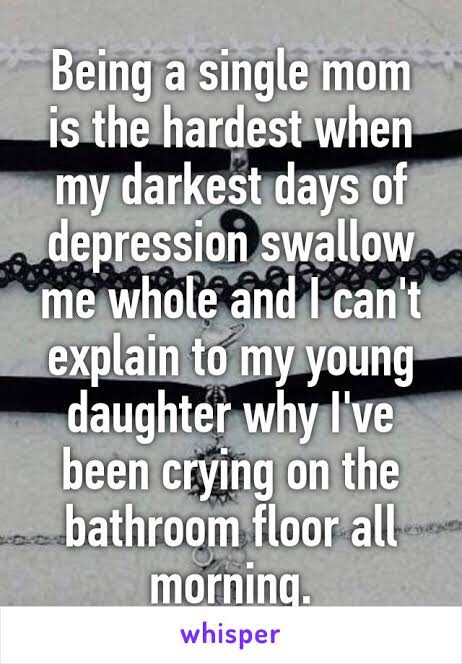
 super single moms