



I once had a husband (poem blog)
I once had a husband who was so cruel. Who made me laugh who made me cry once in a day sometimes twice . I listen to a lot of advice some say shout and some say quiet . Battling with the cancerous relationship I stopped fight he left away broke me twice . I once had a Husband who was so cruel who laughed on my mistakes who smashed my memes who said A lot by staying long night quiet I once had a husband who was so cruel left me in this world gifted me with a son , saying in the end stay alone and look after this little one ………………..
(Love or hate )POEM BLOG
Oh my love you are my fate I want to hate you and it’s so straight. Why my heart got so faint with a loud cry. Let’s go on a date n see all mixedplate. oh my lord what should i acclaim Tell me to breath or die on the same date 🎄
Criminals , psychopaths , freaky minds bred or born ?
“(Are Rapists born or bred. As a male who does not see a penis as a birth defect I have to believe they are bred; it is nurture, not nature that shuffles the cards. We socialize our boys in such a way that statistically we end up with a certain number who go to other side.)Across all sites, the most common motivation that men cited for rape was related to sexual entitlement — a belief that men have a right to sex with women regardless of consent. Over 80 percent of men who admitted to rape in sites in rural Bangladesh and China gave this response.
“Overall, 4 percent of respondents said they had perpetrated gang rape against a woman or girl, ranging from 1 to 14 percent across the various sites. This is the first time we have data from such a large sample of men on the perpetration of gang rape.”

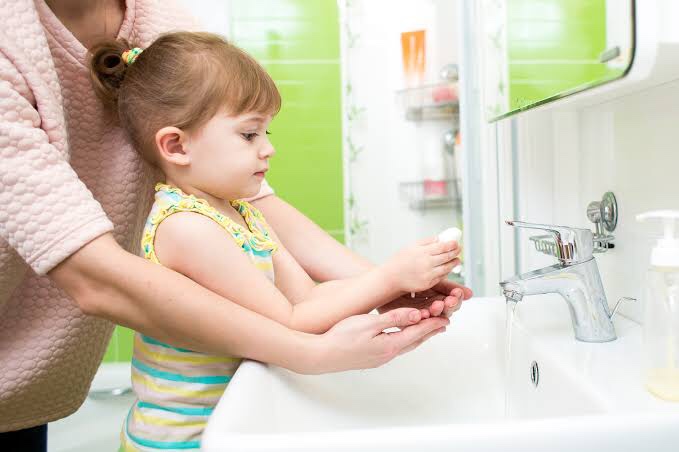
Necessity of hand washing for parents and neonates caretakers
Germs collect on our hands—when we open doors, wipe children’s faces, play with toys and change diapers. You can’t avoid germs, but you can reduce the chance of passing them to others by washing your hands often.
Washing your hands and your children’s hands is the best way to stop the spread of germs. Teach your children to cover their nose and mouth with tissues when they sneeze or cough, or to cough into their upper sleeve or elbow.
When should parents wash their hands?
Wash your hands before:
- preparing or eating food;
- feeding your baby or child (including breastfeeding); and
- giving medication to your child.
Wash your hands after:
- preparing food;
- changing a diaper;
- helping a child to use a toilet;
- using a toilet yourself;
- wiping or blowing your nose or your child’s nose;
- taking care of a sick child;
- treating a cut;
- handling pets or animals or cleaning cages or litter boxes;
- cleaning around the house; and
- handling garbage.
When should children wash their hands?
It’s important to help young children to wash their hands to make sure it is done well.
Children should wash their hands before:
- eating or handling food;
- handling food; and
- playing in water.
Children should wash their hands after:
- using the toilet;
- playing outdoors, in the sand, or in water;
- handling pets or animals;
- sneezing or coughing into their hands or blowing their nose;
- eating;
- attending school or daycare; and
- spending time in high volume public places (e.g., indoor play structures, shopping malls, grocery stores, buses…).
Four steps to proper handwashing
- Wet your hands under running water.
- Scrub your hands well with soap. Remember to scrub between your fingers, to wash both the front and back of your hands, and to clean under your finger nails.
- Washing your hands should take about 15 to 20 seconds – about the time it takes to sing “Happy Birthday”.
- Rinse your hands under running water.
- Dry your hands with a clean towel.
When water and soap are not available and hands are not visibly dirty, you can use pre-moistened hand wipes or alcohol-based hand sanitizers. Keep sanitizers out of the reach of children because they may be harmful if swallowed.
How should I wash my baby’s hands?
- Wash your baby’s hands with soap and a warm, wet, fresh towel (either paper or cloth).
- Rinse your baby’s hands with another fresh, warm, wet towel.
- Dry the hands well.
Is there anything else I should know about handwashing?
- Don’t use a single damp cloth to wash a group of children’s hands. Each child should get a clean cloth.
- Don’t use a standing basin of water (such as dirty dish water) to rinse hands.
- Don’t use sponges or non-disposable cleaning cloths unless you change them daily and clean them using detergent. Germs thrive on moist surfaces.

Part 3) Bitter truth of arrange marriages in our society 😔
The girl trembling and shivering in fear of being alone all night long , knocked her ex husband home for help but he didn’t open it the baby was yelling and cracking his foot on the mud but no one in the society noticed she decided to knock each and every next door of her community but no one opened it suddenly massive clouds appeared in the sky and it started raining cats and dogs . Alas her son didn’t fight the immense cold and passed away after an hour she crying for help kissing her son forehead oh my love open your eyes ya Allah ! So much patients I m showing to you my lord please help my child after three hours of excessive crying no one came for her help and she together with the child sit on the railway track outside the town and suddenly the train passed away smashing both of them 😞 please do share this story to tell each and everyone it’s very easy to destroy a girls life but god will take her revenge with the guy in each and every moment of his life
Per day wages of a poverty stricken human population inside Pakistan
Look at their innocent faces is it there fact they are poor !
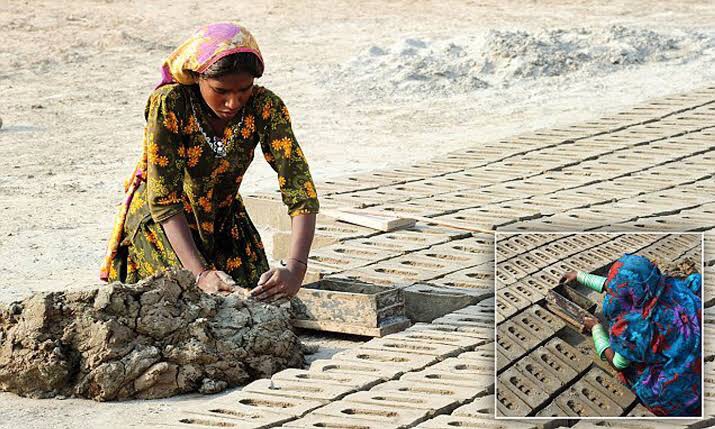
What can we do nothing in okara an Asian region located inside the province of Punjab there enormous amount of young girls doing child labour to earn bread for their lunch and dinner . People are highly illiterate they send their kids to kiln factories( Commonly know as bhatta ) inside pak localities . Young age girls deprived of their happy childhood go on scorching sunlight just to earn some money they are facing a lot of problems inside the society many more examples are their
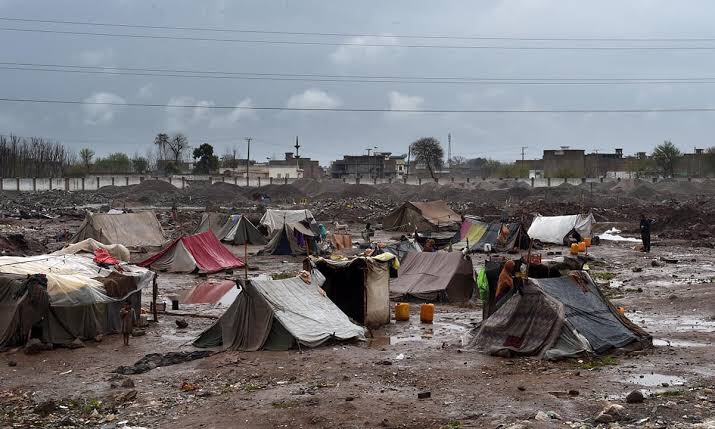
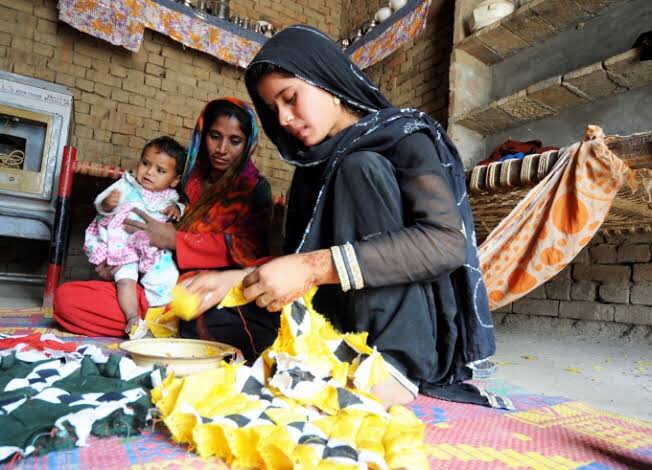
Taboo inside Spain
Look the brutal taboo inside Spain
How to kill the devil inside our soul ?
The society is bad the people are evil it’s a normal saying of each mediocre of a society but who is the one creating an imbalance in each and every thing is non other than our our selves let’s discuss about the social evils in our society , respectively

Today I will discuss about a most important devil of our society (THE DOWRY CULTURE INSIDE SOUTH ASIAN COUNTRIES )
‘The wedding should be in a big banquet, and don’t forget to gift 20 tola of gold to your daughter’. This is a common statement that a bride’s parents can expect to hear from the groom’s side, who have been given all the rights to make endless demands in our patriarchal society. The dowry (Jahez) system is a culturally sanctioned and socially acceptable violence that has destroyed our society. This custom is commonly practiced in South Asian countries.
Dowry or ‘bride price’ is the kind of compensation which is given by the bride’s family to the groom’s family in form of cash and kind. It is an unethical practice but is rampant in our country, Pakistan, where even the elite class and educated people own this system with delight and pride. Today, marriages have become the game of dowry-hunters and this is the reason why girls are tagged as burden on their parents. This social ill indirectly gives rise to many other domestic issues, for example, female infanticide and sex-selective abortion.
Moreover, domestic homicide often called ‘dowry murder’ has become commonplace in our society. Horrifying statistics show that this issue is becoming more frequent. Over 2000 annual dowry related deaths were reported last year and annual rates of dowry-related violence exceed 245 deaths per 1000. Pakistan has the highest reported number of dowry related death rates per 1000 women in the world (Shaha & Mohanthy, 2006)). This issue has severe implications on public health, economy and national development.
Why corona is causing a lot of devastation inside Italy ? FACTS
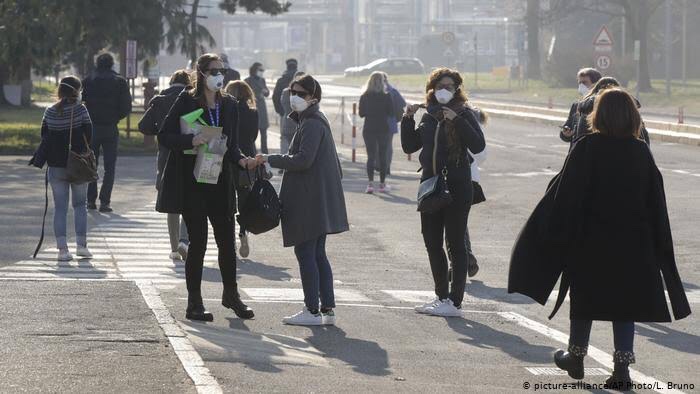
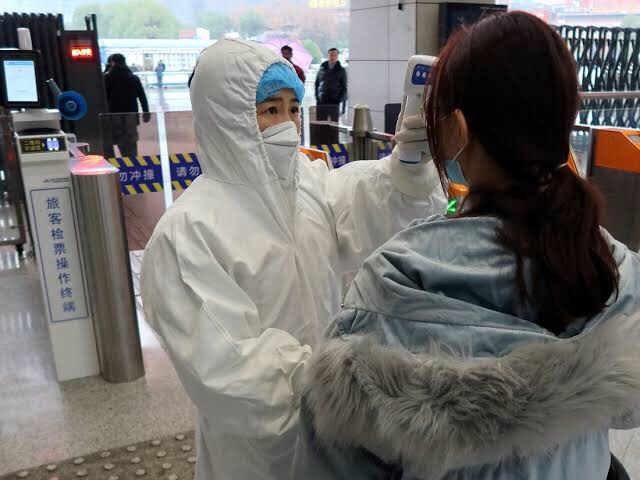
Three weeks ago, Italy barely had a coronavirus problem. Back then, when there were just three confirmed cases, shops and cafes were open, tourists flowed in and out of the country’s magnificent holiday destinations, and quarantines were relegated to history: 14th-century Venice during the Black Death.
At the beginning of February, Italy had only a few identified Covid-19 cases. By February 23, Italian officials reported 76 confirmed cases to the World Health Organization. Two days later, that number grew to 229. The case and death toll rose exponentially from there while people with the virus who’d come from Italy were identified in countries as far and wide as Nigeria, Switzerland, and Brazil.
At that time, the rapid rise in coronavirus cases — both within the country and among travelers — was so concerning, a joint WHO and European Center for Disease Prevention and Control mission went to Italy to figure out what was going on. Authorities, meanwhile, scrambled to impose severe measures to try to stop the virus. In the country’s north, sporting, religious, and cultural events were canceled along with university classes. Anyone who tried to enter or leave the areas in Lombardy where the outbreak was occurring faced fines. The severity of the response rivaled only that of China.
On Monday, the response escalated even further. The government effectively stopped movement across the country, asking people to leave home only for essential work and necessities, like food. All public gatherings and meeting places — theaters, gyms, ski resorts, clubs, schools, sporting events, even weddings and funerals — were also shut down. On Wednesday, Conte announced all shops, except for grocery stores and pharmacies, would be shuttered.
It’s not clear why Italy’s Covid-19 outbreak spiraled so quickly relative to other European countries, but there are several competing theories.
One is that an aggressive testing campaign centered in wealthy Lombardy has inflated the problem at a time when other countries have lagged in detecting cases. Relatedly, the government started looking for the virus too late. Matteo Renzi, a former Italian prime minister, pointed out that the virus had been spreading in Italy for 10 days before health officials realized. So Italy was forced into reaction mode — something other countries should avoid, Renzi told the New York Times. “Today the red zone is Italy,” he warned. In 10 days, Madrid, Paris, and Berlin may be in the same situation.
 super single moms